

Haidilao Hotpot San Diego
Haidilao runs tableside service at a level that separates it from the self-serve hot pot pack: servers manage the broth, the dipping sauces, and the pacing so that a group can focus on the sliced beef, mushroom medley, and handmade fish tofu coming to the table. The room is built for groups and families, and the attentiveness is consistent. Come with four or more people and let the staff run the show.
What to orderWagyu Beef SlicesTomato Broth BaseHandmade Shrimp Paste Restaurant Reservations Call DirectionsFull review & visiting detailsRead the full review & visiting details
Tableside Hotpot That Earns Its Upscale Price
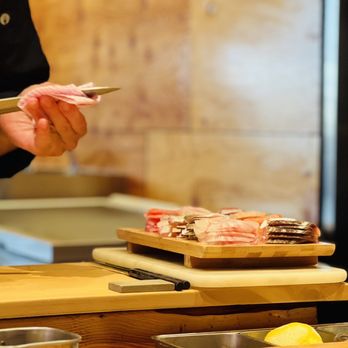
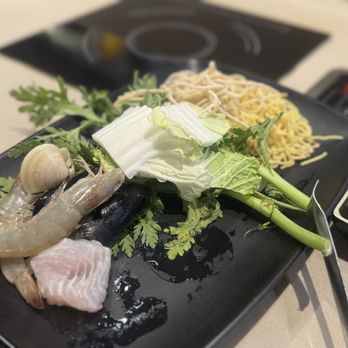
Wagyu beef slices are the premium protein pick at Haidilao, thin-cut and meant to cook fast in the boiling broth.
The tomato broth base runs lighter and slightly tangy, a good starting point for the table before adding bolder dipping sauces.
Handmade shrimp paste is shaped tableside and dropped straight into the pot, one of the more interactive orders on the menu.
Haidilao is a global chain, but the San Diego location operates with the kind of floor attentiveness that most upscale rooms struggle to sustain. The format is hotpot: choose a broth, add proteins and vegetables, cook them yourself at the table. The execution here is sharp enough that the format stops feeling like a novelty and starts feeling like a real meal out. The tomato broth base is a reliable anchor, bright and slightly sweet, built for guests who want something approachable before venturing into spicier territory. The wagyu beef slices are where the room earns its upscale designation: thinly cut, cooked in seconds, they hold their fat and texture in a way that lower-grade beef does not.
The handmade shrimp paste is the kitchen's craft signal, shaped tableside and dropped directly into the simmering broth, a marker that the kitchen is doing more than just slicing protein off a block. The room runs on group energy. Tables are large, service is attentive by design, and the staff moves fast without making a high-volume room feel chaotic. The price reads upscale on arrival but tends to land lower than guests expect once the full spread hits the table, which is a useful calibration: the per-person cost is real, but the spread is generous. For San Diego, a city where communal eating has deep roots in the taqueria and the carnicería tradition, the hotpot format sits naturally.
It is not a border-food room, but the shared-table logic is consistent with how the city already eats. The crowd skews groups and families. Solo diners would find it awkward; a table of four or more will find it well-suited to the format.
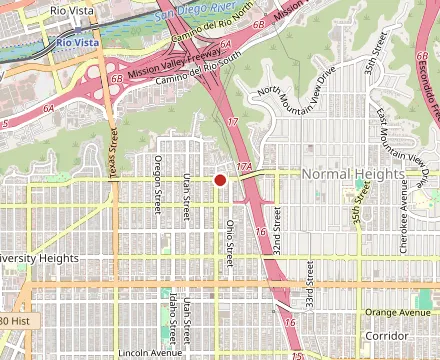
 © OpenStreetMap
Order the handmade shrimp paste early; it takes a moment to prepare and cooks quickly once it hits the broth. The tomato broth base pairs cleanly with the wagyu beef slices if the table wants a single communal pot without negotiating spice levels.